The Baby Name Gestapo Strikes Again: How 'Madison' Became a War Crime and Other Tales From America's Naming Police
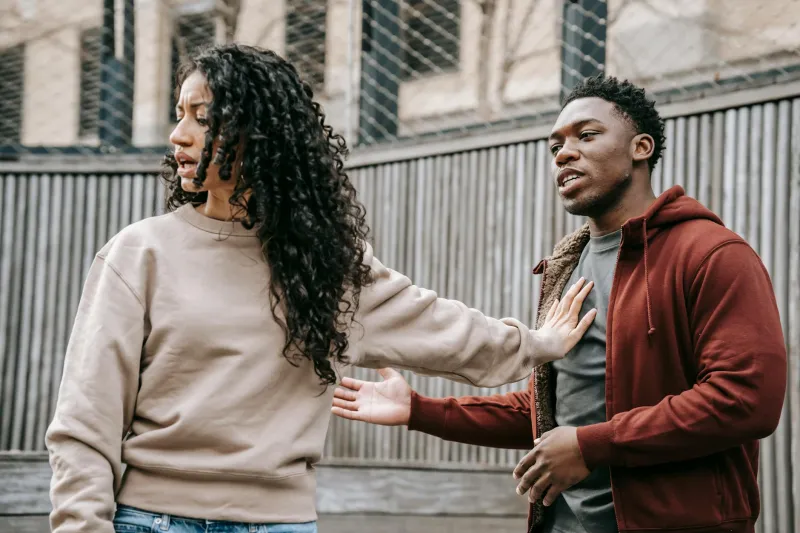
Welcome to the Thunderdome of Baby Names
Once upon a time, in the distant past of 2019, parents could name their children without consulting a team of internet lawyers, cultural anthropologists, and trauma specialists. Those days are as dead as the concept of "personal choice" in a society where every decision requires committee approval and a 40-page environmental impact statement.
Today, announcing your baby's name online is roughly equivalent to declaring war on seventeen different identity groups you didn't know existed. The modern gender reveal party has evolved from "It's a boy!" to "It's a potentially problematic linguistic construct that we'll need six weeks of community input to properly evaluate."
Welcome to America's newest growth industry: the Baby Name Inquisition.
The Cottage Industry of Nomenclature Shame
Meet the foot soldiers of America's naming police: an army of volunteers who've appointed themselves guardians of proper baby nomenclature. They patrol social media with the dedication of mall security guards and the righteous fury of people who've finally found their life's calling in the comments section of pregnancy announcement posts.
These digital warriors operate with military precision. Within minutes of any name reveal, they deploy across multiple platforms armed with Wikipedia articles about colonial history, linguistics dissertations about phonetic oppression, and a burning desire to explain why your grandmother's middle name is actually a microaggression against three separate ethnic groups.
The beauty of this system is its democratic nature: anyone with a smartphone and a basic understanding of historical grievances can become a certified expert in cultural naming violations. No training required, credentials optional, common sense explicitly discouraged.
The Scientific Taxonomy of Name Shamers
After extensive field research (reading comment sections until our souls died), we've identified seven distinct subspecies of baby name enforcers:
The Cultural Appropriation Auditor: This specialist appears whenever parents dare to venture beyond their ancestry.com ethnic breakdown. They maintain extensive databases of which names belong to which cultures and operate under the principle that appreciation equals theft. "Emma" might seem safe until you learn it's technically Germanic and you're only 23% German according to your DNA test.
The Historical Context Crusader: Armed with selective Wikipedia knowledge, this enforcer specializes in connecting innocent names to historical villains. "Madison? You mean like the slaveholder president? Are you celebrating slavery?" They're particularly effective because literally every historical figure was problematic by modern standards, making all traditional names potential war crimes.
The Phonetic Privilege Prosecutor: The newest addition to the naming police force, this specialist has discovered that certain letter combinations create "linguistic advantages" for their bearers. Names that are "too easy" to pronounce represent privilege, while names that are "too difficult" represent cultural insensitivity. The sweet spot exists somewhere in a theoretical middle ground that nobody has successfully identified.
The Future Therapy Predictor: This psychic subspecies specializes in forecasting the exact psychological damage your name choice will inflict on your unborn child. They've somehow gained access to alternate timeline therapy sessions and can tell you exactly how "Aiden" will ruin your son's chances at Harvard while "Nevaeh" will give your daughter a complex about religious oppression.
The Trending Trauma Specialist: These experts maintain real-time databases of which names have become "problematic" due to current events. A perfectly innocent name can become radioactive overnight if it shares letters with a canceled celebrity or rhymes with a newly discovered microaggression.
The Statistical Suffering Calculator: Armed with census data and actuarial tables, these analysts can tell you exactly how your name choice will affect your child's lifetime earning potential, marriage prospects, and probability of developing anxiety disorders. They speak fluent correlation-versus-causation and aren't afraid to use it.
The Spelling Vigilante: The grammar police of the naming world, these enforcers patrol for creative spellings with the fury of English teachers grading standardized tests. "Jaxon" instead of "Jackson" isn't just a preference—it's an assault on literacy itself.
The Letter 'Y': Public Enemy Number One
Of all the linguistic crimes against humanity, none has generated more passionate opposition than the strategic deployment of the letter 'Y' in baby names. What was once considered a harmless vowel substitute has been reclassified as a weapon of mass confusion.
The 'Y' controversy reached peak hysteria when parenting blogger Jennifer Kastner announced her daughter's name as "Madysyn" and accidentally triggered what historians will remember as the Great Vowel War of 2024. The comment section became a battlefield where linguistics professors fought suburban moms over the fundamental nature of phonetic representation.
 Photo: Jennifer Kastner, via media.muckrack.com
"You're traumatizing every substitute teacher in America," declared one commenter. "This child will spend her entire life spelling her name for strangers. That's not quirky—that's child abuse."
Another added, "The 'Y' placement suggests a fundamental misunderstanding of English morphology. Are you trying to raise a child or perform an experiment in linguistic chaos?"
The controversy escalated when someone discovered that "Madysyn" could be interpreted as either Madison with creative spelling or a completely new name with unclear pronunciation. This ambiguity broke several naming police algorithms and required emergency intervention from the Phonetic Privilege Patrol.
The Full Lifecycle of a Name Reveal Comment Section
Based on extensive research, we've mapped the predictable evolution of any baby name announcement:
Hour 0-1: The Honeymoon Phase Congratulations pour in from friends and family who haven't yet realized they're supposed to have opinions about your reproductive choices.
Hour 1-3: The Gentle Concerns Well-meaning acquaintances begin sharing "helpful" articles about name psychology and playground bullying statistics.
Hour 3-8: The Expert Consultation Self-appointed specialists arrive with credentials from the University of Google and strong opinions about phonetic privilege.
Hour 8-24: The Historical Investigation Someone discovers that your chosen name was used by a problematic historical figure, fictional character, or reality TV personality.
Day 2-7: The Cultural Audit The Cultural Appropriation Strike Force completes their ancestry investigation and delivers their verdict on whether you're allowed to use your chosen name.
Week 2-4: The Therapy Predictions Future trauma specialists weigh in with detailed forecasts of your child's inevitable psychological damage.
Week 4-6: The Cease and Desist Phase Someone threatens legal action, claiming your name choice violates their intellectual property, cultural heritage, or emotional wellbeing.
Week 6+: The Memorial Phase Your original post becomes a monument to the death of personal autonomy, visited occasionally by new commenters who want to add their own theories about naming trauma.
The Kevin Precedent: When Names Become Hate Crimes
The transformation of "Kevin" from "normal name" to "sociological indicator of parental failure" represents perhaps the most successful campaign in the history of nomenclature shaming. What started as academic research about name-based discrimination in German schools somehow metastasized into a global movement to eliminate an entire name from acceptable usage.
Today, announcing your intention to name your son Kevin is roughly equivalent to announcing your intention to sabotage his future. The Kevin Coalition (yes, that's a real thing) maintains databases of Kevin-related discrimination, Kevin success stories, and Kevin rehabilitation programs.
"Kevin isn't just a name," explains naming rights activist Patricia Holbrook. "It's a statement about class consciousness, educational values, and social mobility. When you choose Kevin, you're not just naming a child—you're making a political statement about your relationship to mainstream society."
The Kevin controversy has spawned an entire subspecialty of naming police who specialize in "aspirational name coaching"—helping parents choose names that project the right socioeconomic signals without crossing into cultural appropriation territory.
The Great American Name Shortage of 2024
With traditional names deemed problematic, trendy names labeled as traumatic, and creative spellings classified as child abuse, America faces an unprecedented naming crisis. The list of "safe" names shrinks daily as new forms of linguistic oppression are discovered by the naming police.
Current estimates suggest that by 2030, there will be fewer than twelve acceptable names remaining for American babies, assuming no further discoveries of historical problematicness or phonetic privilege violations.
The solution, according to the naming police, is obvious: a centralized federal database of pre-approved names, updated quarterly to reflect current sensitivity standards and staffed by certified naming professionals with advanced degrees in cultural appropriation studies.
Until then, parents are advised to submit their name choices to local naming committees at least six months before birth, allowing adequate time for historical investigation, cultural audit, and trauma impact assessment.
After all, in a society where everything is political, nothing is more political than what you call the human being you created. Choose wisely—or better yet, let the internet choose for you. They have strong opinions and plenty of time to share them.