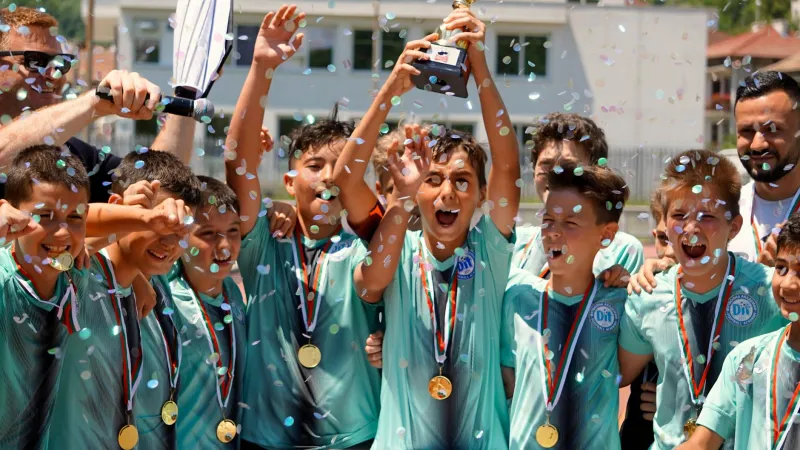
The Evolution of Athletic Recognition
There was a time when youth sports ended with orange slices and a "see you next season." Those days are dead, murdered by the participation trophy industrial complex and buried beneath a mountain of custom-engraved medallions.
Welcome to the Westfield Warriors U-10 Soccer Awards Banquet, where every child is a champion and every parent is a hostage.
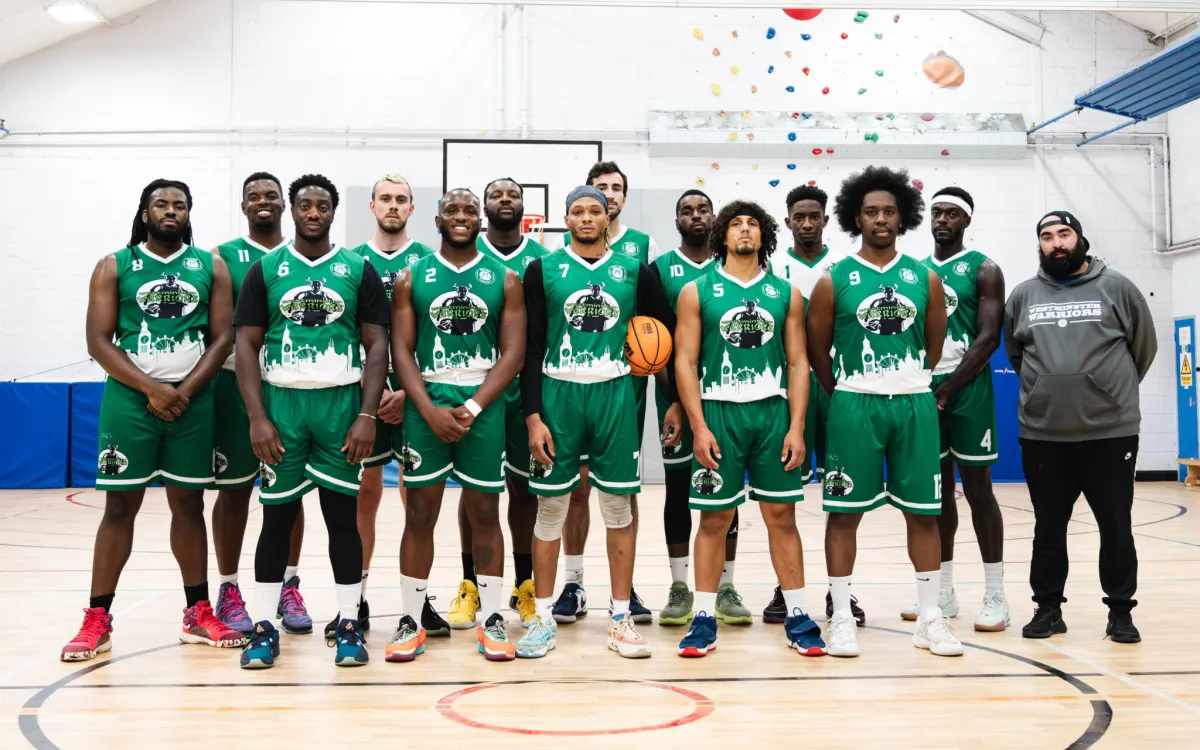 Photo: Westfield Warriors, via westminsterwarriors.org
The Venue: A Catered Catastrophe
The Marriott conference room has been transformed into what can only be described as "Olympic ceremony meets elementary school graduation." Red tablecloths. Gold balloons. A backdrop featuring the team logo that cost more than most players' cleats.
Parents file in clutching programs that read like a small-town phone book. Sixteen pages. Sixteen pages for a season that lasted two months and featured exactly four wins, seven losses, and three games where nobody kept score but everyone somehow still lost.
The program includes player biographies ("Jayden enjoys Fortnite and wants to be a YouTuber when he grows up"), team statistics ("Most Improved at Not Crying During Games: Sarah M."), and a full-page advertisement from the local orthodontist who sponsored the team's water bottles.
The Awards: A Taxonomic Breakdown
Tier 1: The Classics
- Most Valuable Player: Still exists, though now comes with a 500-word essay about leadership qualities observed in an 8-year-old
- Most Improved: A legitimate award that somehow requires PowerPoint slides
- Best Sportsmanship: Given to the kid who helped an opponent up that one time in September
Tier 2: The Creative Interpretations
- Hustle Award: For running fast, sometimes in the right direction
- Team Spirit Champion: For the loudest bench cheering (parents coached this)
- Coachability Excellence: For following basic instructions without crying
- Dedication Award: For showing up to practice more than 60% of the time
Tier 3: The Participation Pyramid
- Most Consistent Energy: For maintaining the same level of mild enthusiasm throughout the season
- Champion of Showing Up: Self-explanatory, yet somehow requiring a two-minute speech
- Positive Attitude Achiever: For smiling during team photos
- Growth Mindset Medal: For not quitting when things got hard (i.e., when they had to run)
Tier 4: The Desperate Reaches
- Best Pre-Game Snack Preparation: This was actually given to a parent
- Most Creative Goal Celebration: For doing a cartwheel after scoring
- Friendship Builder Award: For sharing Goldfish crackers
- Weather Warrior: For playing in the rain without complaining excessively
The Ceremony: A Study in Artificial Inflation
Coach Mike takes the microphone. In his previous life, he was an accountant. Now he's delivering a keynote address about "the journey of athletic development" to an audience of fidgeting 9-year-olds and parents checking their watches.
"Sports," he begins, reading from index cards, "teach us valuable life lessons about perseverance, teamwork, and believing in ourselves."
The Warriors learned many lessons this season, including:
- Soccer balls hurt when they hit your face
- Grass stains are permanent
- Sometimes you score on your own goal and everyone acts like it's fine but it's not fine
- Orange slices taste better when you're winning
The Emotional Support Infrastructure
This year's banquet features several new additions to manage the complex emotional landscape of youth athletics:
The Feelings Facilitator: A hired professional whose job is to help children "process" not winning the MVP award. She carries tissues and speaks in the gentle tone typically reserved for hostage negotiations.
The Parent Liaison: Responsible for preventing trophy-related meltdowns among adults who are somehow more invested in the awards than their children.
The Equity Observer: Ensures that award distribution maintains appropriate demographic balance and that no child receives significantly more recognition than others.
The Documentation Specialist: Takes approximately 400 photos that will be uploaded to a shared Google Drive that no one will ever look at again.
The Dad in the Parking Lot
Outside, Jim Henderson sits in his Honda Pilot, questioning the choices that led him to this moment. His son Dylan received the "Most Enthusiastic Water Break Participant" award, which came with a certificate suitable for framing.
Jim played high school football. When the season ended, they had a pizza party. The best players got mentioned in the local newspaper. Everyone else went home and played video games.
Now his son has a trophy case that looks like a small sporting goods store exploded. Participation medals from T-ball, swimming lessons, chess club, and something called "Introduction to Competitive Breathing" that lasted three weeks.
"When did we decide that everything deserves a trophy?" Jim wonders aloud to his empty car.
The Economic Engine
The Westfield Warriors Awards Banquet represents a small piece of a massive industry. Conservative estimates suggest that American families spend over $2 billion annually on youth sports participation trophies, certificates, and related celebration merchandise.
Local trophy shops report that youth sports awards now account for 70% of their business. Engraving machines work overtime to produce medals for achievements like "Best Attempt at Listening During Practice" and "Most Improved at Tying Shoes Independently."
The Children's Perspective
Meanwhile, the actual recipients of these awards display a remarkable lack of enthusiasm for their achievements. Dylan Henderson, winner of the "Most Enthusiastic Water Break Participant" award, was overheard asking his mom if they could leave early to watch Netflix.
Sarah Martinez, recipient of "Most Consistent Energy," used her trophy as a microphone to sing "Baby Shark" during the closing ceremony.
The kids, it turns out, just wanted to play soccer.
The Closing Ceremony
As the evening winds down, parents gather their children and their armloads of awards. The Warriors finished the season with a 4-7-1 record, but somehow everyone is a champion.
Coach Mike delivers his closing remarks: "Remember, Warriors, you're all winners. Every single one of you has shown incredible growth, determination, and heart this season."
The children applaud politely. The parents smile and take pictures. Somewhere in the back of the room, a single balloon deflates with a sound like a long, tired sigh.
Next season starts in three months. The trophy order has already been placed.
In the parking lot, Jim Henderson starts his car and drives home, past the sporting goods store, past the trophy shop, past the childhood he remembers where not everyone got a medal and somehow, miraculously, the kids turned out just fine.
But that was a different America, in a different time, before we decided that protecting children from disappointment required an industrial-scale celebration of mediocrity.
The Warriors will be back next season. So will the trophies. And so will the parents, trapped in a system that nobody wants but everyone participates in, because what kind of monster doesn't want their kid to feel special?
Even if it takes sixteen different award categories to make it happen.