One Man's Courageous Stand: He Watched 'Roadtrip' in 2003 and Would Basically Do It Again
One Man's Courageous Stand: He Watched 'Roadtrip' in 2003 and Would Basically Do It Again
By Priya Sundaram | Woke Watch Daily
Derek Paulson does not look like a man who has stared into the abyss. He is wearing a fleece vest. He has a moderate amount of opinions about craft beer. His LinkedIn profile, recently updated, now lists "Narrative Recalibration Enthusiast" under his headline, which is either a cry for help or a career pivot, depending on who you ask. Possibly both.
But fourteen months ago, Derek Paulson did something that the cultural moment deemed, if not unforgivable, then certainly a lot to unpack. At a dinner party hosted by his colleagues Britt and Marcus — roasted vegetables, a Spotify playlist that was doing too much — Derek said, and I am quoting the eyewitness accounts here, that a comedy from 2003 was "honestly pretty funny still" and that he had "no real issues with it."
The silence that followed, multiple attendees have confirmed, lasted approximately four seconds. In internet years, that is several geological epochs.
The Incident: A Forensic Reconstruction
To understand what happened next, you must first appreciate the specific social ecosystem of a progressive urban dinner party in the current era. It operates on a delicate barometric pressure of shared assumptions. Everyone has tacitly agreed, without discussion, on a rotating list of films, phrases, snacks, and hobbies that are either celebrated, tolerated, or quietly condemned. Derek, who describes himself as "not really online that much," walked into this ecosystem wearing metaphorical muddy boots and asked if anyone wanted to revisit Dude, Where's My Car?
By Sunday morning, someone at the table had posted a vague but pointed Instagram story — a simple "some people really show you who they are 🙃" — which was screenshot and shared to a group chat, which was screenshot again and posted to a subreddit called r/JustUnsubscribed, which was then quote-tweeted seventeen times by accounts with names like @CriticalTheoryDad and @Unlearning_Everything.
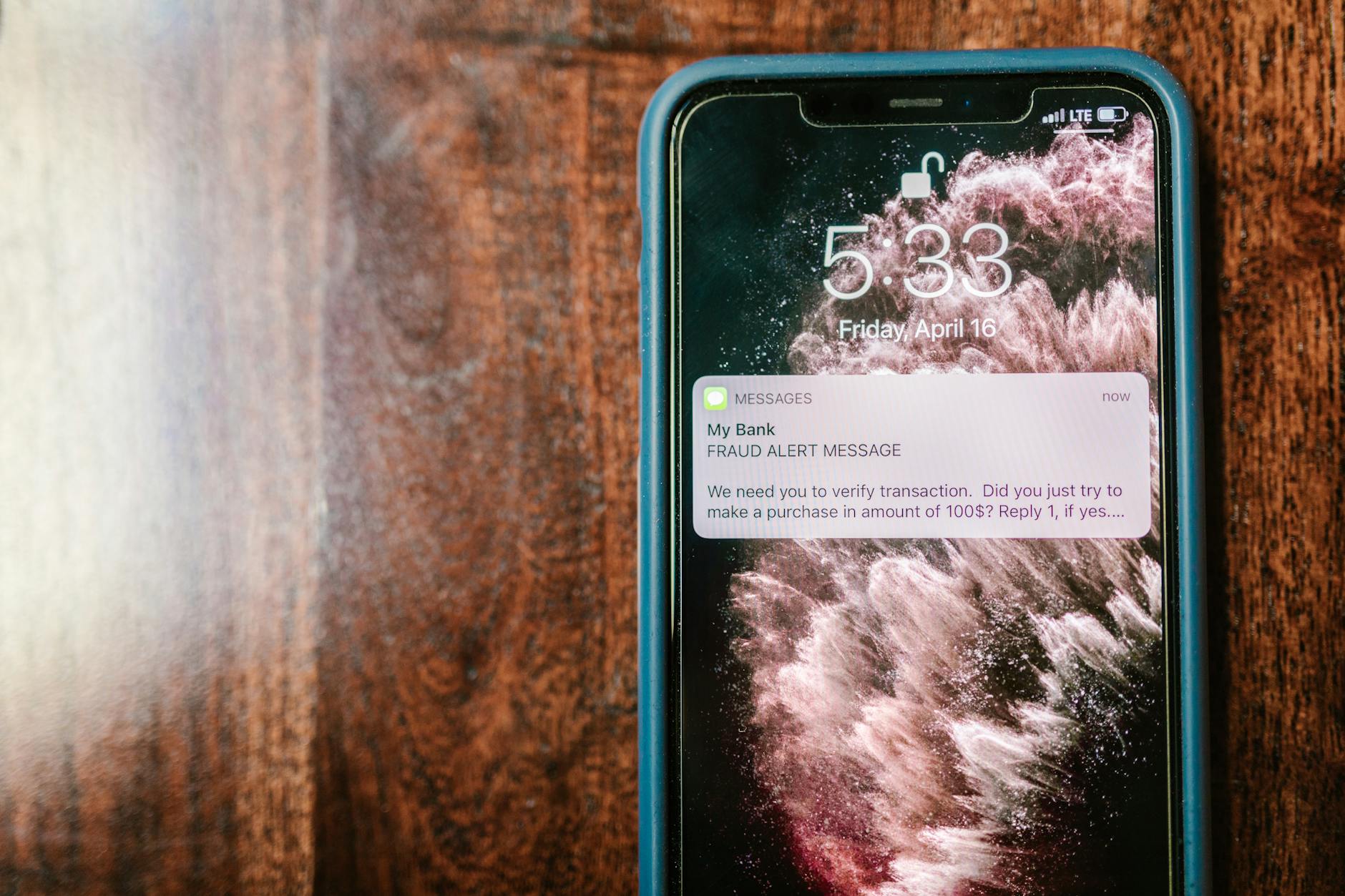
Derek, checking his phone during his Monday morning commute, found forty-three notifications and a voicemail from his mother asking if he was "in some kind of trouble."
He was. Professionally speaking.
The Redemption Industrial Complex Swings Into Action
What followed was less a public shaming and more a masterclass in the cottage industry that has quietly grown up around public shaming. Within seventy-two hours, Derek had been contacted by a "reputation wellness coach" named Saffron, who operates out of a co-working space in Portland and charges $340 per hour to help clients craft what she calls "accountability narratives."
Derek hired her. Of course he hired her.
Draft one of his apology, Saffron explained, was "too defensive." Draft two was "apologizing for the wrong things." Draft three, which ran to six paragraphs and included a land acknowledgment that nobody had asked for, was deemed "almost there." It was eventually posted to his Instagram at 9:14 on a Tuesday morning — the algorithmically optimal window for maximum sincerity, Saffron had advised — and received 34 likes, four of which were from his own family members acting in solidarity.
A therapist was engaged. Not for trauma, exactly, but for what Derek now refers to as "the recalibration process," which appears to involve a lot of journaling and at least two sessions dedicated entirely to whether his enjoyment of the film was a symptom of something deeper or just, as his previous therapist had suggested before being dismissed as "not really getting it," a guy watching a movie.
A Hero Is Born, Apparently
Here is where the story takes its most gloriously absurd turn. By month four, the pendulum — as pendulums on the internet invariably do — had begun its return swing. A contrarian essay published on a mid-tier culture site declared Derek's willingness to voice an unpopular opinion "quietly radical." A podcast called The Heterodox Sofa invited him on to discuss "the chilling effect of social conformity on casual conversation." He went. He was nervous. He used the word "nuance" eleven times in forty minutes, which is the verbal equivalent of a white flag.
By month six, Derek Paulson had become, in certain corners of the discourse, something approaching a symbol. Not a particularly coherent symbol. More of a Rorschach test onto which various factions projected whatever they needed: the free-speech crowd saw a martyr, the pile-on critics saw a case study, and the dinner party host Britt reportedly saw an opportunity to start a Substack about "the weaponization of social spaces," which currently has 214 subscribers.
Derek himself, when I asked him how he felt about becoming a minor cultural flashpoint, stared at his coffee for a long moment and said, "I just thought the movie had some good bits."
Reader, it does have some good bits.
The Broader Absurdity, Since We're Here
Let's not lose the thread. What we are actually describing is a world in which a man's offhand film recommendation at a dinner party required — required — a professional reputation consultant, a multi-draft public apology, therapeutic intervention, and a LinkedIn headline that no longer reflects anything resembling his actual job. He works in supply chain logistics. He has always worked in supply chain logistics. The LinkedIn now implies he is some kind of feelings architect.
The machinery that processed Derek Paulson — the screenshot cascade, the vague Instagram story, the pile-on, the redemption arc, the contrarian counter-narrative, the podcast appearance, the Substack — that machinery did not exist twenty years ago. It has been constructed, piece by piece, by people who are mostly well-intentioned, occasionally correct, and apparently very, very bored.
The film in question, for what it is worth, has a 52% on Rotten Tomatoes. It is not a masterpiece. It is also not a war crime. Somewhere between those two poles, we appear to have lost the ability to simply shrug.
Derek Paulson is doing fine, by the way. He's been asked to speak at a conference in Austin in the spring. The topic is "Authenticity in the Age of Digital Accountability." He is getting paid $2,500.
Saffron negotiated the fee.
Priya Sundaram is a staff writer at Woke Watch Daily. She has strong opinions about films from 2003 and will be keeping them entirely to herself.