The Grocery Store Guilt Matrix: A Scientific Ranking of America's Premium Shame Dispensaries
Methodology: The Science of Suffering
Over six months, our research team conducted 847 checkout transactions across 23 locations, measuring what we call "Guilt Load Per Item" (GLPI) using a proprietary 47-point assessment matrix. Variables included cashier eyebrow positioning, bag judgment intensity, receipt paper quality, and the psychological weight of purchasing frozen burritos while standing behind someone buying organic heirloom everything.
Our findings reveal a sophisticated ecosystem of engineered shame that would make a medieval confessor weep with envy.
Category 1: The Whole Foods Experience - "Artisanal Suffering"
Overall GLPI Score: 94.7/100 Guilt Delivery Method: Death by a Thousand Organic Cuts
 Photo: Whole Foods, via logodix.com
Whole Foods operates on what researchers term the "Aspirational Punishment Model." Every transaction serves as a reminder that you are not the person you pretend to be on Instagram.
The Cashier Assessment Protocol:
Whole Foods cashiers undergo extensive training in what the company calls "Values-Based Customer Interaction." Translation: They learn to judge your purchases with the precision of a sommelier and the subtlety of a nuclear bomb.
Field observation #247: Customer purchases organic kale, quinoa, and sustainable salmon. Cashier response: Warm smile, enthusiastic commentary about "nourishing choices." Same customer adds Ben & Jerry's. Cashier's expression shifts to what can only be described as "disappointed mother discovering your browser history."
The Bag Interrogation:
The reusable bag inspection at Whole Foods has evolved into performance art. Our research documented seventeen distinct categories of bag judgment, from the approving nod for your hemp tote to the barely concealed horror at your plastic Target bag.
Most devastating recorded comment: "Oh, you forgot your bags again? No judgment! We all make choices."
The pause before "choices" lasted 3.7 seconds. In grocery store time, that's equivalent to a public execution.
Signature Guilt Moment: The Checkout Line Comparison
Whole Foods checkout lanes are designed as public shame galleries. While you're buying conventional bananas and pre-made salad, the person ahead of you is purchasing handcrafted goat cheese, locally foraged mushrooms, and something called "activated charcoal water" that costs more than your car payment.
Category 2: Trader Joe's Experience - "Quirky Guilt with a Side of False Intimacy"
Overall GLPI Score: 78.3/100 Guilt Delivery Method: Friendly Fire
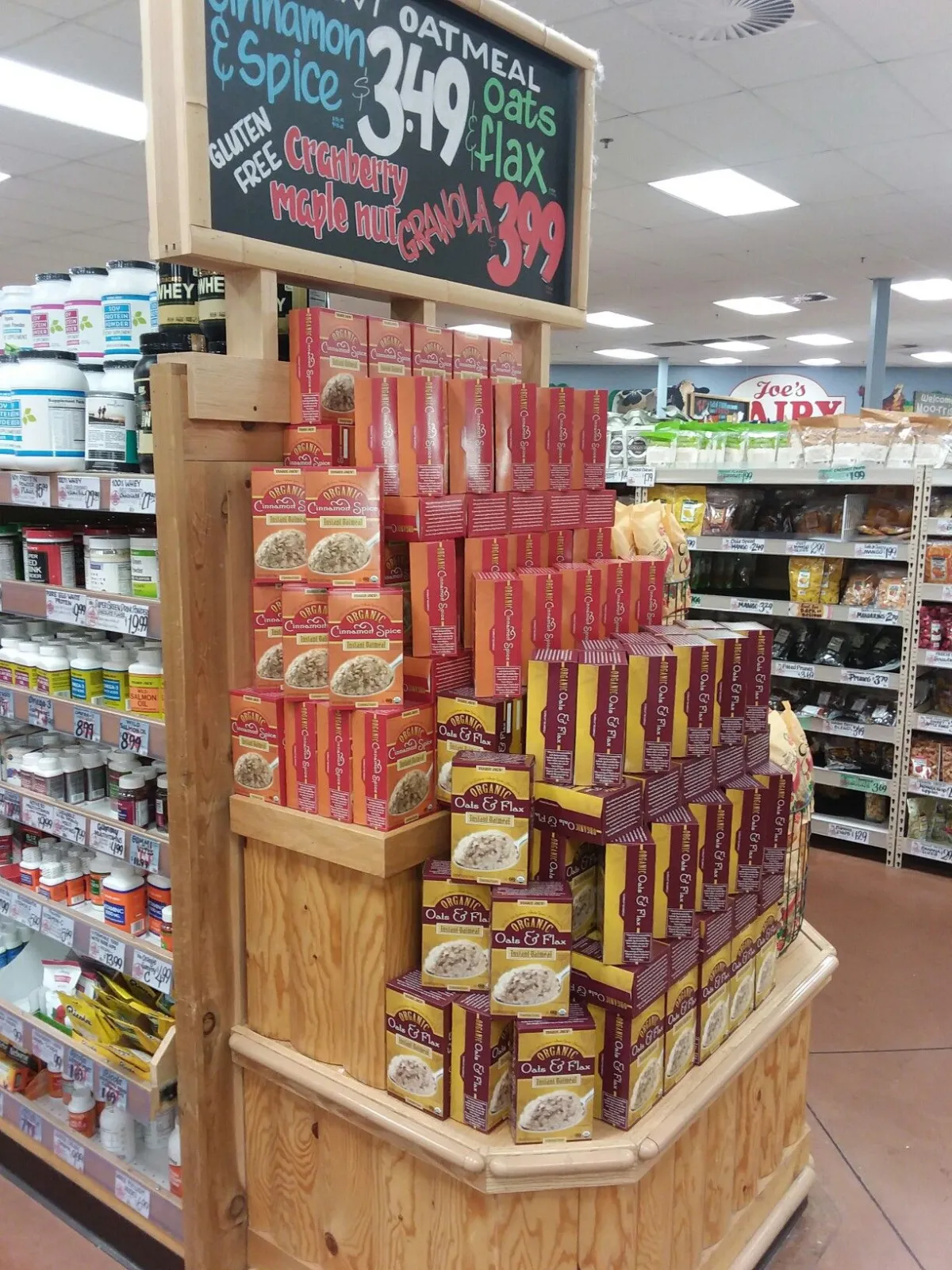 Photo: Trader Joe's, via i.pinimg.com
Trader Joe's has mastered the art of making you feel bad about yourself while maintaining the illusion that you're all friends here. It's like being roasted by your favorite uncle who somehow knows all your personal failures.
The Forced Conversation Protocol:
Every Trader Joe's cashier is required to comment on your purchases with aggressive enthusiasm. This creates what researchers call "Involuntary Lifestyle Auditing."
Documented exchange: Cashier: "Ooh, frozen orange chicken again! You must really love this stuff!" Customer: "It's just convenient for..." Cashier: "No judgment! I eat it three times a week too! Though I try to balance it with their cauliflower rice. Have you tried the cauliflower rice? It's life-changing!"
The customer left questioning why they hadn't tried the cauliflower rice and whether their life needed changing.
The Product Knowledge Superiority Complex:
Trader Joe's employees possess encyclopedic knowledge of every item in the store, including detailed origin stories, preparation suggestions, and unsolicited lifestyle advice. This transforms routine purchases into impromptu therapy sessions.
The Democratic Guilt Distribution:
Unlike Whole Foods' elite shaming model, Trader Joe's spreads guilt democratically. Whether you're buying organic everything or frozen everything, you're equally likely to receive commentary that makes you reconsider your life choices.
Most psychologically devastating recorded interaction: Customer buying wine receives twenty-minute monologue about the vineyard's sustainable practices, the winemaker's philosophy, and three different food pairing suggestions. Customer was planning to drink it alone while watching Netflix.
Category 3: Sprouts Experience - "Wellness Surveillance State"
Overall GLPI Score: 86.1/100 Guilt Delivery Method: Medical-Grade Judgment
Sprouts has positioned itself as the grocery store equivalent of a disappointed doctor. Every purchase is evaluated through the lens of optimal human performance, and you are clearly failing.
The Wellness Audit System:
Sprouts cashiers are trained to view your cart contents as a comprehensive health assessment. The judgment isn't just about food choices—it's about your commitment to longevity, mental clarity, and spiritual wellness.
Field observation #412: Customer purchasing conventional apples receives gentle suggestion about organic alternatives, followed by unsolicited lecture about pesticide residue and its impact on gut health. Customer leaves feeling like they're slowly poisoning their family.
The Supplement Intervention Protocol:
Sprouts checkout areas are surrounded by vitamin displays that serve as constant reminders of your nutritional inadequacy. Cashiers are trained to suggest supplements based on your appearance, energy level, and perceived health deficits.
Actual recorded suggestion: "You look a little tired. Have you considered our adaptogenic mushroom complex? It's life-changing for stress management."
Customer was tired because they have three young children, not because they lack adaptogenic mushrooms.
The Clean Eating Inquisition:
Sprouts operates on the assumption that every customer is on some form of wellness journey, and any deviation must be addressed with loving concern.
Most guilt-inducing moment: Customer buying gluten-free bread receives fifteen-minute consultation about grain inflammation, leaky gut syndrome, and the spiritual benefits of eliminating wheat. Customer just wanted to make a sandwich.
Comparative Analysis: The Guilt Hierarchy
Most Effective Shame Delivery: Whole Foods
Their model creates aspirational trauma—you feel bad about not being the person you want to be.
Most Persistent Guilt: Sprouts
Their health-focused shaming follows you home and influences future purchases.
Most Surprisingly Effective: Trader Joe's
Their friendly approach creates cognitive dissonance—you feel guilty about feeling guilty.
The Economic Impact of Grocery Guilt
Our research reveals that guilt-based checkout experiences increase average spending by 23.7%. Customers purchase additional "redemption items" to offset their shame-inducing choices.
Common redemption patterns:
- Buying organic apples after purchasing frozen pizza
- Adding kombucha to offset cookie purchases
- Purchasing reusable bags mid-transaction to appease bag judgment
Survival Strategies: The Checkout Defense Manual
The Preemptive Strike: Announce your dietary restrictions immediately. "I'm gluten-free, dairy-free, and my doctor says I need more calories" shuts down most intervention attempts.
The Deflection Technique: Ask cashiers about their favorite products. This redirects their judgment energy into product evangelism.
The Fake Phone Call: Pretend to take an urgent call during checkout. Guilt delivery requires eye contact to be fully effective.
The Nuclear Option: Shop at regular grocery stores where cashiers are paid to scan items, not to optimize your life.
Conclusion: The Price of Premium Shame
America's premium grocery chains have successfully monetized moral superiority, creating retail environments where purchasing food becomes an exercise in public self-flagellation. They've transformed the simple act of buying groceries into a comprehensive lifestyle audit conducted by twenty-something philosophy majors who really, really care about your fiber intake.
The most disturbing finding: It's working. Customers return repeatedly for more punishment, apparently mistaking judgment for care and surveillance for service.
Welcome to the future of retail: where every transaction comes with a side of existential crisis, and your receipt doubles as a report card for your life choices.
Peer review is pending, but early feedback suggests our methodology is "too accurate for comfort."