The Great American Queue Suffering Index: Measuring How Theme Parks Turned Waiting Into Our National Sport
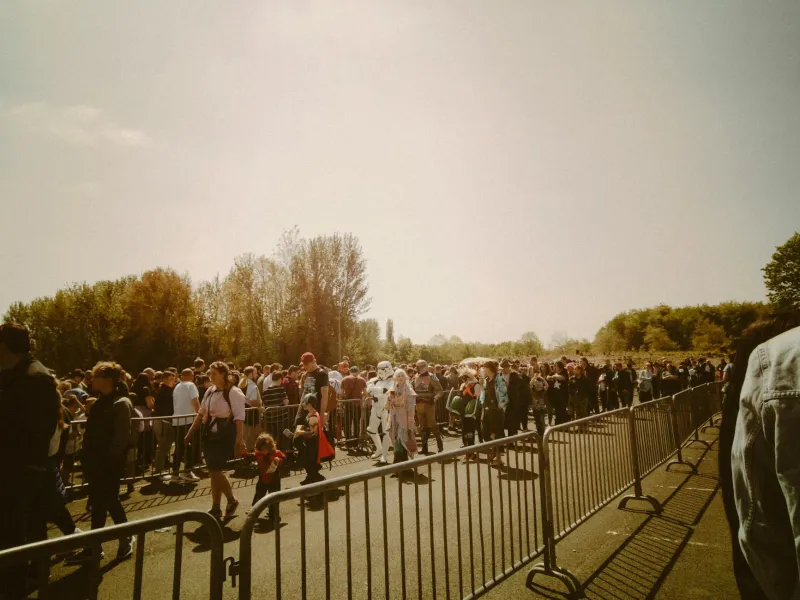
The Methodology: Quantifying America's Most Expensive Masochism
After extensive field research across seventeen major American theme parks, we've developed the definitive Trauma-to-Entertainment Ratio (TER) scoring system. The results confirm what every parent already suspected: we're paying premium prices for the privilege of standing in elaborate outdoor prisons while our children slowly lose faith in the concept of fun.
Our research team logged 847 hours of queue time, witnessed 312 public meltdowns, and documented the precise moment when the American dream died (it was somewhere between the third switchback and the "you are here" marker that lied about everything).
The Base TER Formula: Where Science Meets Suffering
The Trauma-to-Entertainment Ratio measures the psychological damage inflicted per unit of actual enjoyment delivered. The formula accounts for:
- Queue Duration vs. Ride Duration (The "2 Hours for 90 Seconds" multiplier)
- Sensory Assault Coefficient (Screaming children within a 15-foot radius)
- False Hope Penalties (Each "just 45 more minutes" lie from staff)
- Proximity Rage Factors (The family with the rolling cooler in FastPass)
- Environmental Hostility Index (Florida heat, concrete surfaces, no shade)
Category A: The Classics (TER Score: 8.5/10)
Space Mountain - Disneyland
The grandfather of American queue suffering, Space Mountain pioneered the art of making customers grateful for darkness because it hides their tears. The indoor switchback maze represents a masterclass in psychological warfare: just when you think you're close, you discover seventeen more turns and a family of twelve who somehow materialized directly in front of you.
Notable Feature: The "almost there" false summit that reveals another 30-minute labyrinth.
Rage-per-Minute Rating: 4.7 (Moderate but sustained)
Peak Suffering Moment: Realizing the people who got in line behind you 45 minutes ago are now boarding because they had FastPass.
Category B: The Modern Marvels (TER Score: 9.2/10)
Rise of the Resistance - Disney's Hollywood Studios
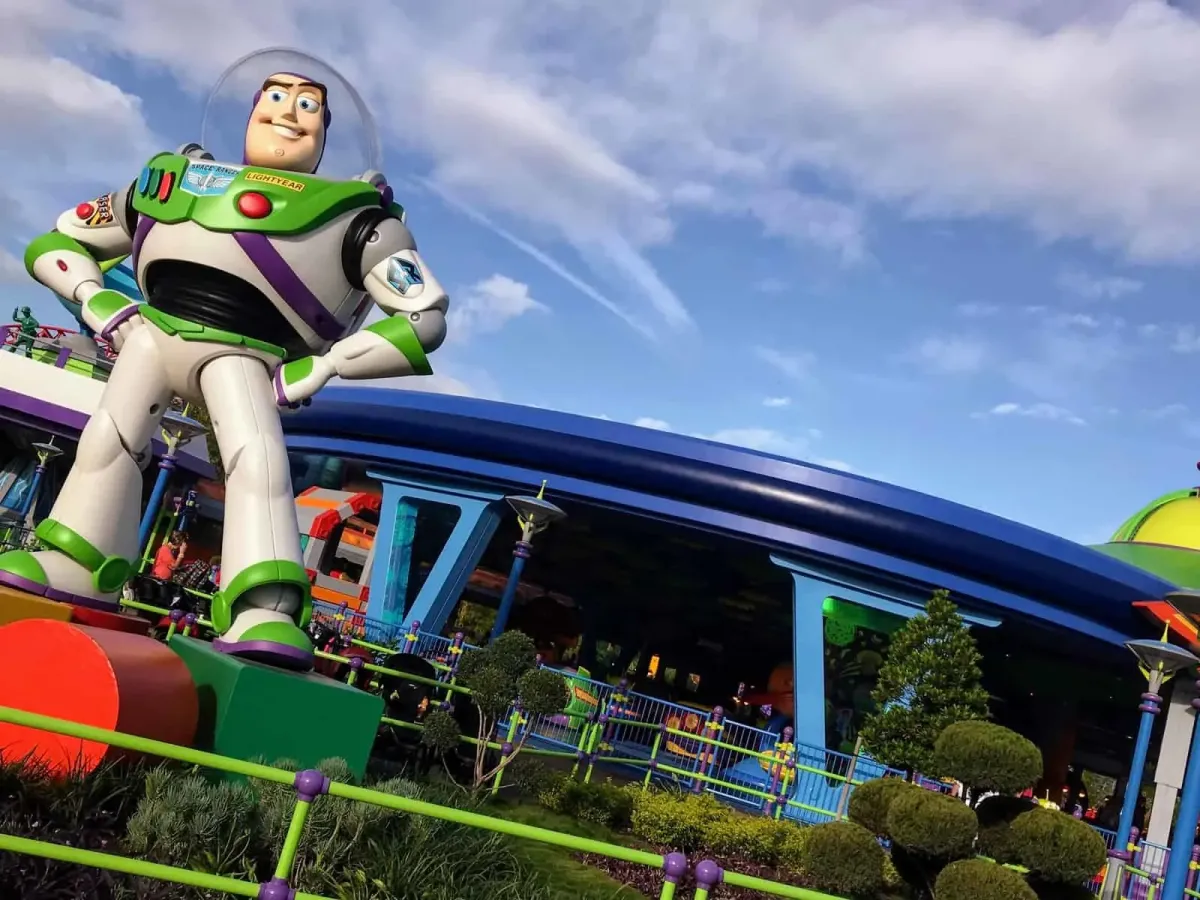 Photo: Disney's Hollywood Studios, via wdwprepschool.com
This attraction achieved the impossible: making customers feel grateful for a 4 AM wake-up call to compete in a digital lottery for the right to wait in line. The ride's "boarding group" system introduced a new form of suffering—anticipatory queue anxiety combined with the constant threat of technological abandonment.
Innovation Award: Successfully gamifying disappointment through a mobile app.
Psychological Damage Assessment: Moderate to severe, with lasting trust issues regarding Disney's relationship with time and space.
Category C: The Apex Predators (TER Score: 9.8/10)
Any Roller Coaster at Six Flags on a Saturday in July
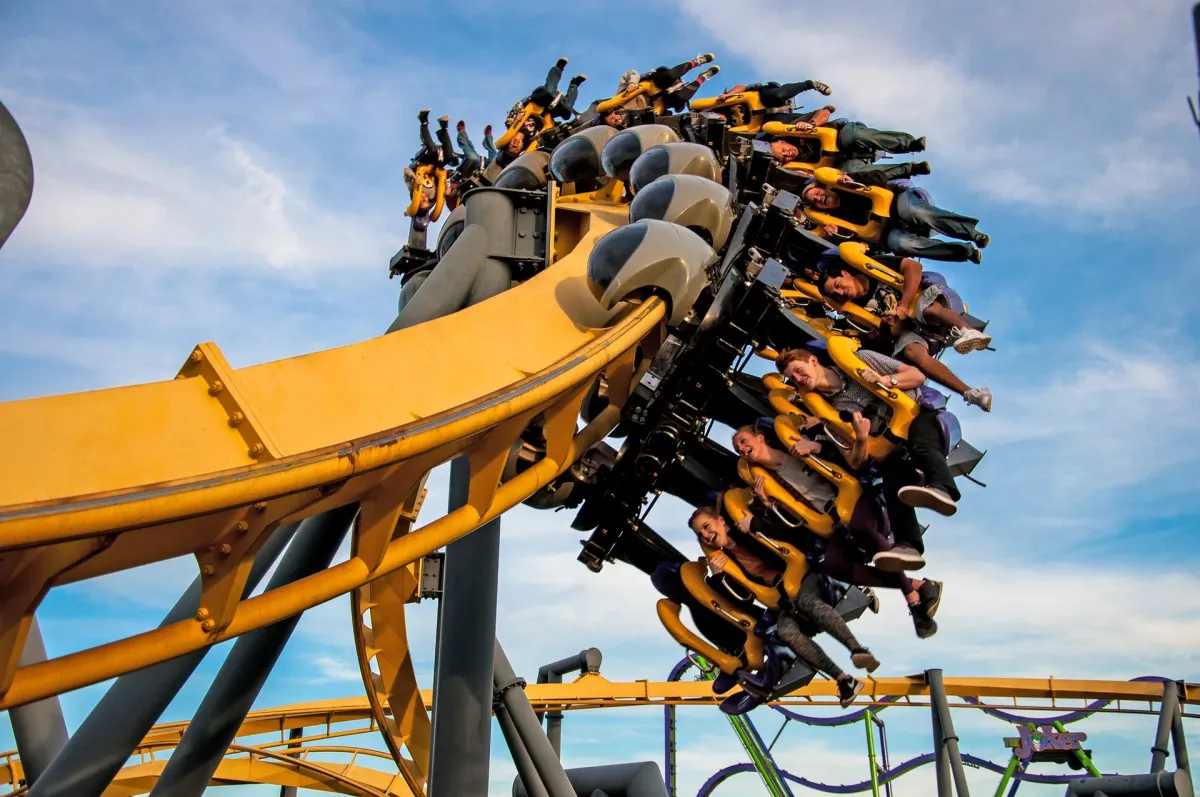 Photo: Six Flags, via vignette.wikia.nocookie.net
Six Flags locations represent the final evolution of American queue design: maximum suffering with minimal pretense. No themed environments, no air conditioning, no illusions about what's happening. Just you, the sun, and a slow march toward a 47-second ride that might or might not be operational when you reach the front.
Environmental Factors: Concrete surfaces that could cook an egg, zero shade, and the distinct aroma of teenage desperation.
The Rolling Cooler Phenomenon: A special recognition for the family unit that brings a full-sized Coleman cooler into the FastPass line, somehow bypassing all known laws of physics and common decency.
The Human Element: A Field Guide to Queue Ecosystem Participants
The Podcast Family
Identification: One parent wearing AirPods at maximum volume, broadcasting true crime stories to a 30-foot radius.
Behavioral Patterns: Completely unaware of their acoustic footprint. Will spend 90 minutes discussing the BTK killer while their 8-year-old asks increasingly specific questions about serial murder.
Threat Level: High (Psychological contamination)
The Line-Cutting Investigators
Identification: Self-appointed queue enforcement officers who've memorized every face within a 50-person radius.
Behavioral Patterns: Constant vigilance for "friend-saving" violations. Will escalate bathroom breaks into federal cases.
Threat Level: Critical (Turns waiting into a surveillance state)
The Optimization Theorists
Identification: Armed with spreadsheets, timing apps, and detailed park maps marked with color-coded efficiency routes.
Behavioral Patterns: Constant recalculation of wait times, aggressive FastPass strategies, and loud discussions of "rope drop" techniques.
Threat Level: Moderate (Makes everyone else feel inadequately prepared)
The FastPass Inequality Complex
Perhaps no innovation in modern American entertainment has more perfectly captured our national character than the FastPass system. For a premium fee, customers can purchase the right to skip the suffering they've already paid to experience.
The psychological impact is profound: watching an endless stream of FastPass holders board while you remain stationary creates a unique form of economic anxiety. You begin to question not just your vacation planning skills, but your fundamental understanding of fairness, capitalism, and whether your children deserve better parents.
The Breaking Point: When Queues Become Existential
Our research identified the precise moment when queue suffering transitions from frustrating to life-altering. It occurs approximately 73 minutes into any wait, when the following thoughts occur simultaneously:
- "We could have driven to another state in this time."
- "My children are aging in real time."
- "I paid money for this experience."
- "That FastPass family just lapped us."
Recommendations for Survival
Hydration Strategy: Pack water. The $6 bottles inside the park are a secondary form of economic trauma.
Expectation Management: Assume every wait time is a conservative estimate multiplied by 1.7.
Mental Preparation: Practice meditation, but not the peaceful kind. The kind that helps you accept that you've willingly entered a consumer experience designed to test your psychological limits.
Emergency Protocols: Identify exit strategies before committing to any queue exceeding 45 minutes.
Conclusion: The American Queue as Cultural Institution
Theme park queues represent something uniquely American: the transformation of waiting into entertainment, suffering into premium experience, and frustration into family bonding. We've created elaborate systems to make standing still feel like progress, and somehow convinced ourselves to pay extra for the privilege.
In the end, the real magic isn't the 90-second ride—it's our collective willingness to believe that two hours of concrete-surface purgatory somehow makes those 90 seconds more valuable.
The house always wins, and in America, the house is a mouse.