The Innocent Beginning
It was supposed to be simple. Melissa Hartman, room parent for Mrs. Peterson's third-grade class at Oakwood Elementary, sent out what she believed was a straightforward email: "Bake sale next Friday! Sign up below to bring your favorite treats!"
 Photo: Oakwood Elementary, via cmsv2-assets.apptegy.net
What followed was a bureaucratic odyssey that would make Kafka weep into his morning coffee.
Within 47 minutes, the first response arrived from Jennifer Walsh-Thompson, who chairs the school's newly formed Inclusive Nutrition Advisory Council. "Hi Melissa! Love the enthusiasm, but we'll need to run this through our DEI impact framework first. Can we schedule a preliminary assessment meeting?"
And thus began the Great Cupcake Inquisition of 2025.
The Committee Multiplies
By Tuesday, what started as a bake sale had spawned three subcommittees, a 23-page allergen equity checklist, and a Google Drive folder labeled "Baked Goods Cultural Sensitivity Resources" containing 47 PDF documents.
The newly formed Recipe Review Board, led by Walsh-Thompson and featuring two other parents who'd attended a single webinar about "Food Justice in Educational Spaces," announced their preliminary findings: traditional bake sale offerings represented a "troubling pattern of cultural exclusion."
"When we really examined the data," Walsh-Thompson explained during an emergency Zoom call that somehow lasted three hours, "we discovered that 73% of submitted recipes originated from European baking traditions. That's not the inclusive environment we want to model for our children."
The data in question was a survey of previous bake sales that Walsh-Thompson had retroactively compiled by scrolling through two years of PTA Facebook photos.
The Brownie Controversy
The situation reached peak absurdity when Sarah Martinez, a working mother of two who'd volunteered to bring brownies, found herself defending her dessert choice before what had somehow become a formal tribunal.
"I just wanted to bring brownies," Martinez later recounted to this reporter. "Suddenly I'm in a Zoom room with seven people explaining the 'colonial implications' of chocolate-based desserts and how my Duncan Hines mix perpetuates 'extractive agricultural practices.'"
The brownie debate consumed four separate meetings, generated 127 emails, and ultimately required consultation with the district's equity coordinator, who confirmed that brownies could proceed if accompanied by a QR code linking to educational materials about fair trade cocoa farming.
The Rice Krispie Treat Resistance
But the true breaking point came courtesy of Amanda Stevens, a parent who'd volunteered to bring Rice Krispie treats—a decision that would launch what participants now refer to as "The Cereal Wars."
Stevens' treats triggered a comprehensive review of "processed food privilege" and sparked a heated debate about whether Kellogg's corporate history represented values incompatible with the school's mission statement.
"Rice Krispie treats are doing a lot of harm," Walsh-Thompson declared during week six of deliberations. "They normalize processed foods while simultaneously erasing the experiences of families who prioritize whole food nutrition."
Stevens, a nurse who works three 12-hour shifts per week, was asked to submit a 500-word reflection essay on "Alternative Approaches to Celebratory Snack Preparation" before her contribution could be approved.
The Great Unraveling
By month three, the bake sale had evolved into something unrecognizable. The final approved treat list included: locally-sourced apple slices with almond butter (pending tree nut allergy accommodation), organic vegetable chips (salt-free), and "culturally representative" items that required documentation of authentic preparation methods.
The original fundraising goal of $300 for playground equipment had been replaced by a "community education initiative" featuring information tables about sustainable agriculture, indigenous food traditions, and the environmental impact of sugar production.
The Inevitable Conclusion
The bake sale was ultimately canceled after the school's insurance company declined to cover an event requiring 14 different allergen protocols and liability waivers for "educational food experiences."
In its place, the PTA organized a "Mindful Snack Sharing Circle" featuring store-bought items in original packaging, held during lunch period, with mandatory attendance at a 45-minute presentation about "Conscious Consumption in Elementary Spaces."
Total funds raised: $73.50.
Melissa Hartman, the original organizer, has since moved her children to a different school district. Her final email to the PTA read simply: "I just wanted to sell some cupcakes."
The Lasting Impact
The Oakwood Elementary Bake Sale Crisis has become a case study in how good intentions can metastasize into institutional paralysis. Walsh-Thompson, now serving as the district's Director of Nutritional Equity (a position created specifically for her), continues to refine the 47-point assessment framework that will govern all future food-related school activities.
The playground equipment remains unfunded.
Meanwhile, across town at Sacred Heart Elementary, their bake sale raised $1,200 last Friday using the traditional method of parents bringing whatever they felt like making. Their secret? A sign-up sheet that said "Bring treats. Thanks!"
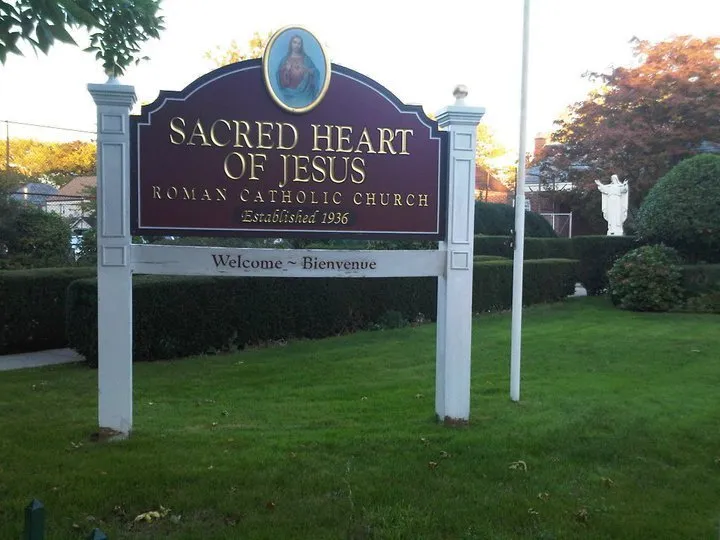 Photo: Sacred Heart Elementary, via images.classmates.com
Revolutionary stuff.